




Understanding Lupus (SLE)
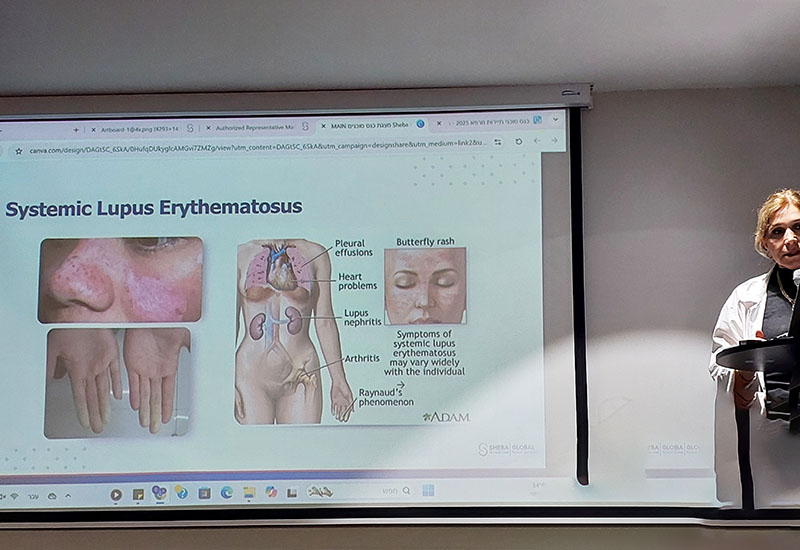
Systemic Lupus Erythematosus (SLE) — commonly known as lupus — is a chronic autoimmune disease in which the immune system becomes overactive and attacks healthy tissues throughout the body. Lupus can affect many organs, including the joints, skin, kidneys, heart, lungs, blood vessels, and nervous system.
Symptoms vary widely between patients but often include fatigue, joint pain, skin rashes, fever, and inflammation of various organs. The course of the disease is unpredictable — with periods of flares and remission — and it disproportionately affects women, especially those of childbearing age. Lupus can significantly impact a person’s quality of life, particularly when the disease does not respond to conventional therapies.
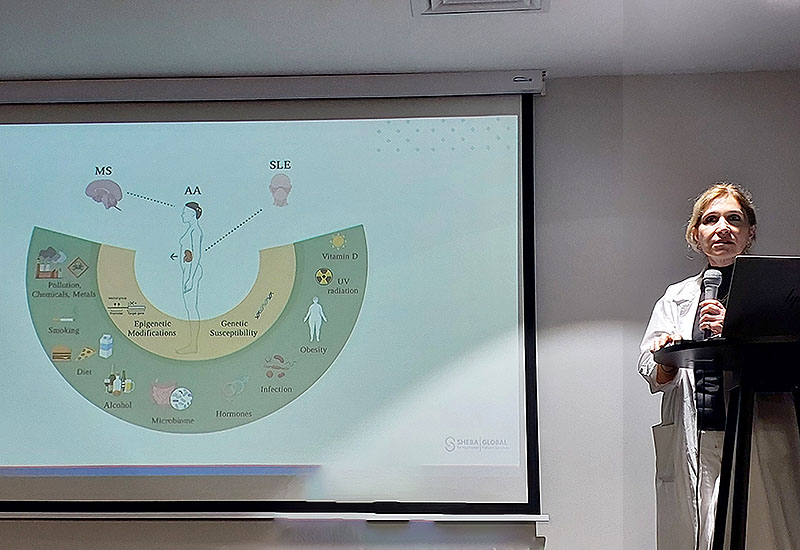
Prof. Lidar in a lecture about the CAR-T program
Traditional Treatments for Lupus – With Limitations
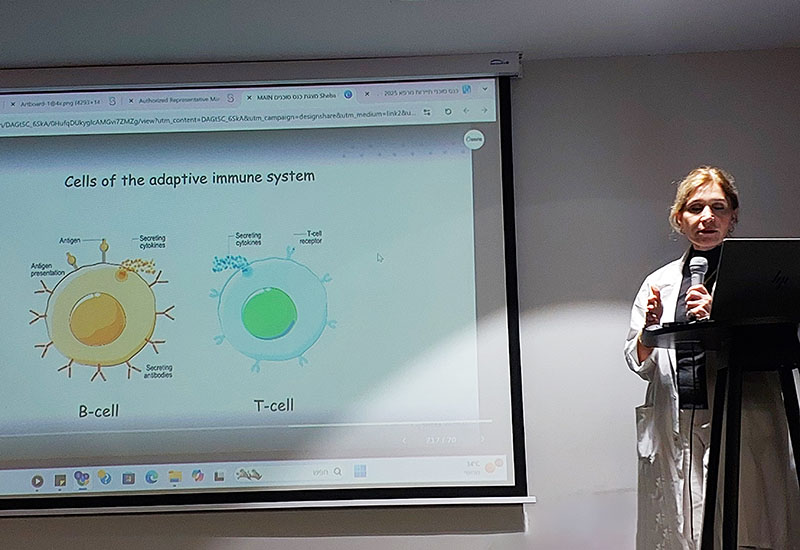
Historically, lupus has been treated with immunosuppressive medications such as corticosteroids, hydroxychloroquine, immunomodulators, and biologic drugs. One of the most widely used biologics for severe lupus is MabThera (rituximab), a monoclonal antibody that targets B-cells — the immune cells that produce autoantibodies.
Although MabThera is not officially approved for SLE in many countries, it has been used off-label for years, particularly in patients with lupus nephritis, vasculitis, or neuropsychiatric complications. Some patients respond well, while others experience limited benefits or relapse after B-cell repopulation. Overall, these treatments can help reduce inflammation and protect organ function, but they often require long-term use, bring serious side effects, and do not offer a lasting cure. For many people living with refractory lupus, the search for better solutions continues.
CAR-T Therapy: A New Era in Lupus Treatment
CAR-T cell therapy (Chimeric Antigen Receptor T-cell therapy) represents a groundbreaking approach for patients with treatment-resistant lupus. Originally developed for cancer, this form of personalized immunotherapy is now showing promising results in autoimmune diseases, including SLE. CAR-T therapy works by collecting a patient’s own T-cells, genetically modifying them in a lab to recognize specific immune targets, and reintroducing them into the body. These engineered T-cells then seek out and eliminate the malfunctioning immune cells that are driving the disease.
Why CAR-T for Lupus?
Studies and early clinical trials have shown that B-cell depletion using CAR-T cells can lead to significant and sustained remission in patients with severe lupus, and in some cases, long-term disease control approaching cure. Many patients experience dramatic improvement in symptoms, with a substantial reduction—or complete elimination—of steroid dependence.
For patients with systemic lupus erythematosus (SLE) who have exhausted conventional treatment options, CAR-T therapy offers a meaningful opportunity to regain quality of life while reducing the need for ongoing immunosuppression.
A pivotal milestone in this field was reported in 2020 by Dr. Georg Schett and his team at Friedrich-Alexander University Erlangen. They described the first successful use of CAR-T therapy in an autoimmune disease: a young woman with severe, treatment-resistant lupus received a single infusion of anti-CD19 CAR-T cells and achieved complete clinical remission within one month. More than five years later, she remains disease-free, highlighting the transformative potential of CAR-T therapy beyond oncology.
For patients who have not responded to standard therapies, CAR-T therapy represents a promising and potentially life-changing option, supported by highly encouraging early clinical outcomes.
What Do the Latest 2026 Studies Show?
In June 2026, UK investigators reported preliminary results from a clinical trial involving patients with severe lupus that had not responded to existing treatments. Five of the first six patients treated at the lower dose achieved remission according to standard lupus criteria. The researchers also observed improvements in disease activity and important laboratory markers. These early findings are encouraging, but longer follow-up and peer-reviewed publication are still needed.
Additional evidence was published in the 2026 phase 1/2 CASTLE study. The study included 24 patients with severe, treatment-resistant systemic lupus erythematosus, systemic sclerosis, or inflammatory myositis. Most of the lupus patients achieved standard DORIS remission criteria. At a median follow-up of approximately 13 months, all 24 participants were no longer receiving glucocorticoids or other immunosuppressive treatment.
These results support further research into CAR-T therapy for severe lupus. However, the studies remain small, and the findings should not be interpreted as proof that every lupus patient will respond or achieve lasting remission.
Sources:
UCL: CAR-T Cell Therapy Shows Early Promise in Severe Lupus, June 2026.
Nature Medicine: Phase 1/2 CASTLE Study, 2026.
CAR-T Clinical Trial for Lupus at Sheba Medical Center
At Sheba Medical Center in Israel, a leading clinical trial is currently underway offering CAR-T therapy for patients with systemic lupus erythematosus (SLE). This is part of a broader initiative targeting severe autoimmune and rheumatologic diseases. The program is led by Prof. Merav Lidar, a renowned expert in autoimmune conditions and Director of Sheba’s Center for Autoimmune Diseases.
Patients from around the world may be eligible to participate in this innovative program, pending medical evaluation.
To qualify, the disease must be clinically active. It is important to note that early intervention is critical — as once permanent damage has occurred in organs or tissues, it cannot be reversed. The goal is to treat the disease before irreversible harm is done.
Who May Qualify for CAR-T Therapy for Lupus?
CAR-T therapy may be considered for selected patients with systemic lupus erythematosus (SLE) who meet specific medical criteria. In general, candidates are patients with moderate to severe disease who have not responded adequately to conventional treatments and who are medically stable enough to undergo the CAR-T treatment process, which typically requires approximately 8–10 weeks in Israel.
Patient eligibility considerations include:
- Confirmed Diagnosis
A confirmed diagnosis of active systemic lupus erythematosus (SLE). - Treatment-Resistant Disease
Lupus that is refractory to standard immunosuppressive and/or biologic therapies, typically after failure of two to three prior lines of treatment. - Significant Organ Involvement
Presence of severe disease manifestations, such as lupus nephritis, neuropsychiatric lupus, or multi-system organ involvement. - Medical Stability
Clinical stability sufficient to safely undergo lymphodepletion (conditioning chemotherapy) followed by CAR-T cell infusion.

Read more patient testimonials >>
CAR-T patient testimonial 2026
I am an American Lupus patient with SLE, autoimmune myelofibrosis, Reynaud's disease, and pulmonary hypertension, who unfortunately did not qualify for CAR-T in the United States. It is currently not government approved in the U.S. except through medical trials, which I did not qualify for.
My brother, was able to find Tanya Preminger online, who works with the Sheba Hospital in Israel, as a third party representative, to help international patients like myself receive the CAR-T therapy in Israel. She acted as a liaison with the hospital and myself and acted as an interpreter as well.
She was quick to respond with questions and when we arrived in Israel, she helped guide us through the hospital and assisted us with transportation. In her spare time, she also showed us around Israel, which was not in her job description but out of kindness. When I celebrated my birthday in Israel, she treated us to a nice meal. She protected us during our extended stay there until the treatment was completed. In addition, Tanya helped fight for us to get the appointments and things we needed to make our stay as comfortable as possible. We would not have been able to survive without Tanya's help and attention to detail. Having not any knowledge of the Israeli culture or the language, we would have been lost. Tanya was more than a business consultant, but also became a friend and family member to us.
We are so grateful for Tanya and all that she did for us. She did not have to be there for us 24 hours a day, but she was. She even taught us how to survive the siren warnings during the war and where to go for protection.
I strongly recommend any patient coming to Sheba Hospital or Israel to use Tanya as your main point of contact. You will be safe and comfortable with her at your side.
What Is It Really Like to Travel to Israel for CAR-T Therapy? One Patient's Journey >>
Start the Evaluation Process
If you or someone you love is living with lupus and traditional treatments have not provided relief, CAR-T therapy in Israel may offer a new path forward.
Initiating Your Medical Inquiry
Publication date: August 2025