




Updated: August 2026
Autoimmune rheumatologic diseases occur when the immune system mistakenly attacks the body’s own tissues, affecting the joints, blood vessels, connective tissue, muscles, skin, and internal organs.
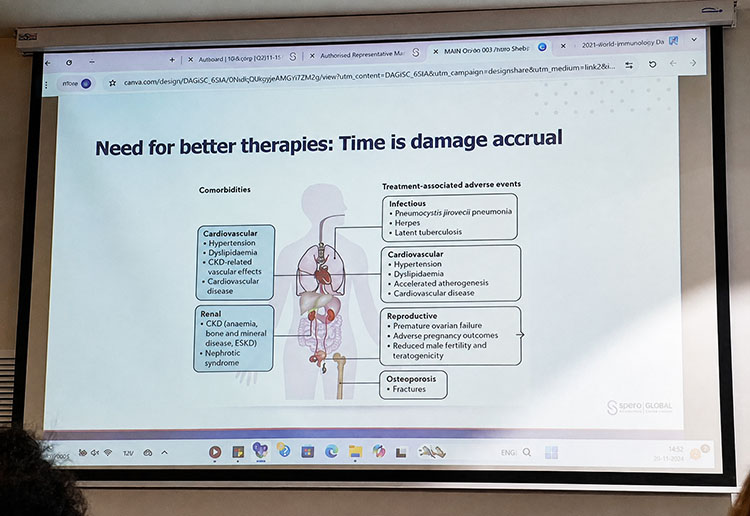
Standard treatments such as corticosteroids, immunosuppressive medications, and biologic therapies help many patients control their disease. However, some patients continue to experience severe disease activity after several appropriate treatments.
CAR-T therapy is offered in Israel through a clinical trial program led by Prof. Merav Lidar for selected patients with severe, treatment-resistant autoimmune and rheumatologic diseases. Approximately 40 patients have been treated through the program to date. International patients may submit their medical records for individual assessment.
What Is CAR-T Therapy for Rheumatologic Disease?
CAR-T therapy uses genetically modified T cells to target immune cells involved in autoimmune disease. Most current clinical experience involves targeting CD19, a protein found on several stages of B-cell development.
The aim is to achieve deep B-cell depletion and allow the immune system to rebuild without the same harmful autoimmune activity. This process is sometimes described as an “immune reset.”
For a detailed explanation of the treatment, current scientific evidence, and potential risks, read our complete guide to CAR-T therapy for autoimmune disease.
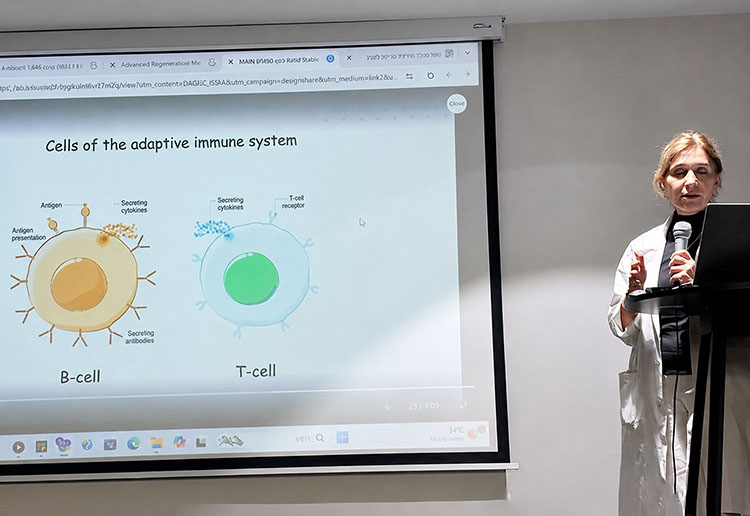
Prof. Lidar Presents the CAR-T Therapy Program for Rheumatologic Diseases
The CAR-T Program for Rheumatologic Diseases in Israel
A specialized CAR-T program for severe rheumatologic and autoimmune diseases has been established at Sheba Medical Center.
The program is led by Prof. Merav Lidar, Director of the Center for Autoimmune Diseases and Head of the Rheumatology Department at Sheba Medical Center. Prof. Lidar has extensive experience treating complex autoimmune and inflammatory conditions and is involved in the development of CAR-T therapy for patients whose diseases have not responded adequately to standard treatments.
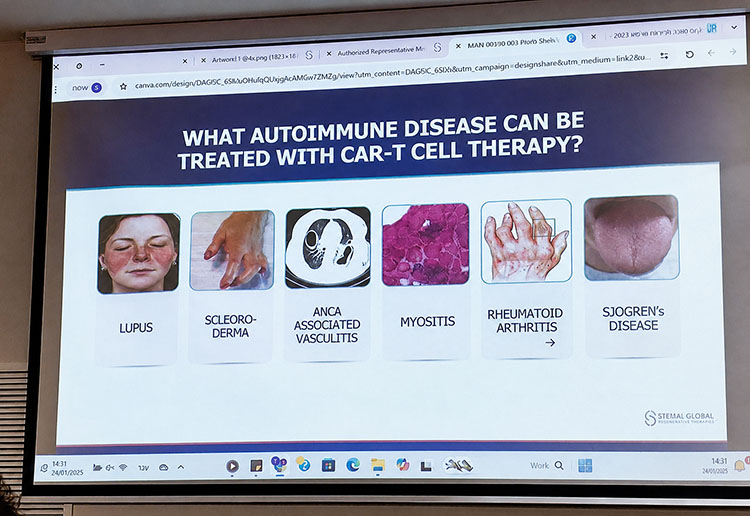
Autoimmune Diseases That May Be Considered for Individual Review
The conditions considered by the program include:
- Systemic lupus erythematosus, or lupus
- Rheumatoid arthritis
- Systemic sclerosis, or scleroderma
- Sjögren’s syndrome
- ANCA-associated vasculitis
- Dermatomyositis
This list does not mean that CAR-T therapy is available or appropriate for every patient with one of these diagnoses. Disease activity, previous treatments, organ involvement, infections, and overall medical condition are reviewed individually.
Programs and criteria may also change as clinical experience develops.

Read more patient testimonials >>
Why International Patients Consider CAR-T Treatment in Israel
International patients may consider Israel when their disease remains active despite several lines of treatment or when they are unable to access a suitable CAR-T program in their home country.
The CAR-T program for autoimmune and rheumatologic diseases is run at Sheba Medical Center, where specialists in rheumatology, hematology, cellular therapy, and intensive monitoring work together throughout the treatment process. In 2026, Sheba was ranked seventh worldwide in Newsweek and Statista’s World’s Best Hospitals ranking. This multidisciplinary structure supports close coordination during the patient’s evaluation, treatment, hospitalization, and follow-up.
Israeli Hospitals assists international patients by coordinating the medical-record review, communication with the medical team, consultations, treatment planning, and practical arrangements for the stay in Israel.
How Does the Individual Review Process Work?
The first step is to submit the patient’s medical records in English. The documents should normally include:
- A recent medical summary from the treating rheumatologist
- A form with a list of previous treatments, including doses, duration, response, and reasons for discontinuation
- Recent blood tests and relevant rheumatology results
The reviewing team may request additional tests or information depending on the patient’s condition.
If the case appears potentially relevant, a remote consultation may be recommended. The consultation gives the patient an opportunity to discuss the treatment, ask questions, understand what additional tests may be required, and receive a preliminary assessment before making travel arrangements.
How Long Should Patients Plan to Stay in Israel?
International patients should generally plan to remain in Israel for approximately 45 days. In some cases, the stay may be longer because of additional testing, scheduling, recovery, or medical complications.
The process usually includes:
- Pre-treatment consultations and testing
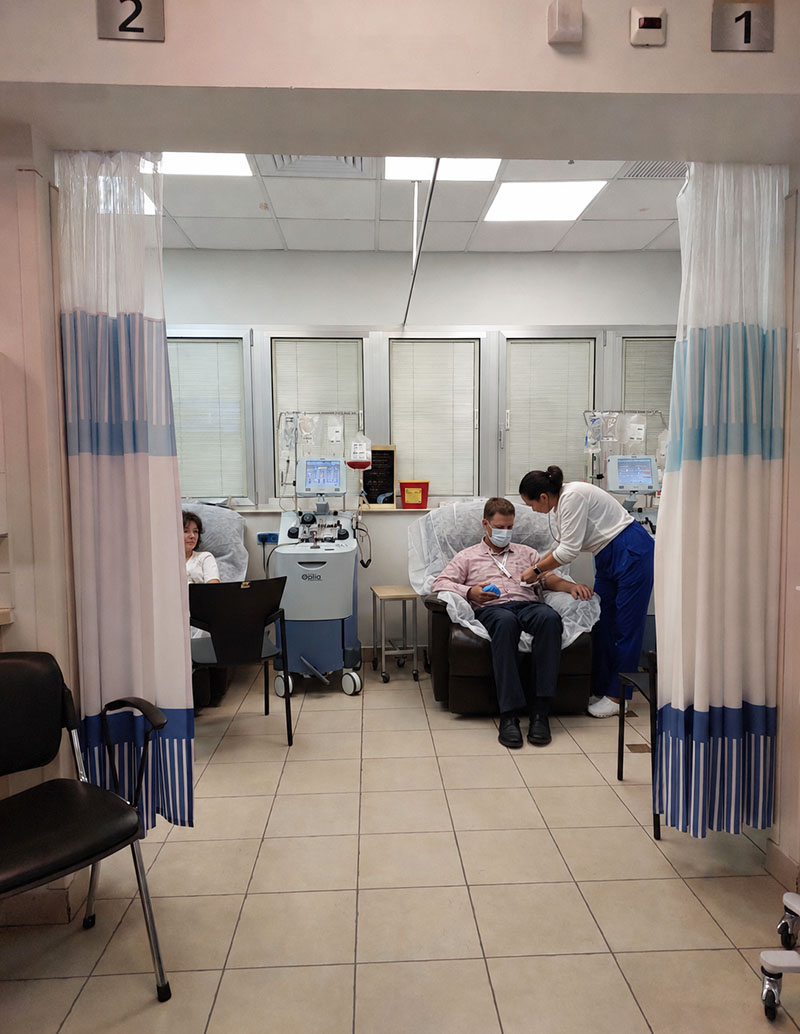
- T-cell collection
- CAR-T cell production
- Lymphodepletion chemotherapy
- CAR-T infusion
- Hospitalization and close monitoring
- Follow-up after discharge
The exact timeline is determined individually and may change during treatment.
Is a Caregiver Required?
The patient must arrive with at least one adult caregiver. The caregiver provides practical support, helps communicate with the medical team, observes changes in the patient’s condition, and remains available throughout the treatment period.
During hospitalization, the caregiver can often stay in the patient’s hospital room. After discharge, the patient and caregiver must remain within the distance specified by the medical team and attend all scheduled follow-up appointments.
At least one caregiver should have a reasonable command of English to communicate effectively with the hospital staff.
Support for International Patients
Israeli Hospitals team advises international patients on accommodation, transportation, appointment coordination, and other practical matters. We provide ongoing support and help each patient find suitable solutions, so they can feel as comfortable and reassured as possible during this difficult time.
Links
Submit medical records for an individual CAR-T evaluation
Read about one international patient’s experience traveling to Israel for CAR-T therapy
Read CAR-T patients testimonials
Scientific Sources
1. Hagen M, et al. “CD19 CAR-T cells for treatment-refractory autoimmune diseases: the phase 1/2 CASTLE basket trial.” Nature Medicine, 2026.
2. Müller F, et al. “CD19 CAR T-Cell Therapy in Autoimmune Disease — A Case Series with Follow-up.” New England Journal of Medicine, 2024.