


Dermatomyositis is a rare autoimmune condition that causes inflammation of both the muscles and the skin. For many patients, it leads to persistent muscle weakness, chronic fatigue, and a characteristic rash. Because the disease is autoimmune in nature, the immune system mistakenly attacks healthy tissue — creating symptoms that can significantly impact daily life.
If you’re researching new treatments for dermatomyositis or wondering what is the best treatment for dermatomyositis today, innovative immunotherapies from Israel may offer new hope, especially for patients who have not responded to standard care.
What Is Dermatomyositis?
Dermatomyositis affects people of all ages, although it is more common in adults.
The most known symptoms include:
- A reddish or violet rash on the face, chest, back, or hands
- Progressive muscle weakness in the hips, shoulders, neck, and thighs
- General fatigue
- Joint pain
- Difficulty swallowing in more advanced cases
Because the disease is chronic and can worsen without proper treatment, early evaluation by experienced physicians is essential.
What Is the Best Treatment for Dermatomyositis?
Traditionally, dermatomyositis has been treated with a combination of:
- Corticosteroids
(often the first-line therapy to reduce inflammation) - Immunosuppressive medications, such as
methotrexate, azathioprine, mycophenolate mofetil, cyclosporine, or tacrolimus
(used to control the immune system over time) - Biologic therapies, including
rituximab (Mabthera / Rituxan)
(commonly used in more resistant or severe cases) - Physical therapy
(to maintain muscle strength and mobility)
These treatments help many patients, but others continue to experience symptoms or flare-ups. This is why interest in new treatments for dermatomyositis has grown worldwide — especially emerging therapies that address the immune system directly.

Read more patient testimonials >>
CAR-T Therapy Dermatomyositis: A New and Promising Approach
One of the most exciting developments in autoimmune medicine is the adaptation of CAR-T therapy for diseases like dermatomyositis.
Originally used in blood cancers, CAR-T therapy (Chimeric Antigen Receptor T-cell therapy) is now being studied as a way to “reset” a malfunctioning immune system. This makes it a promising option for patients whose dermatomyositis has not improved with traditional treatments.
How CAR-T therapy works:
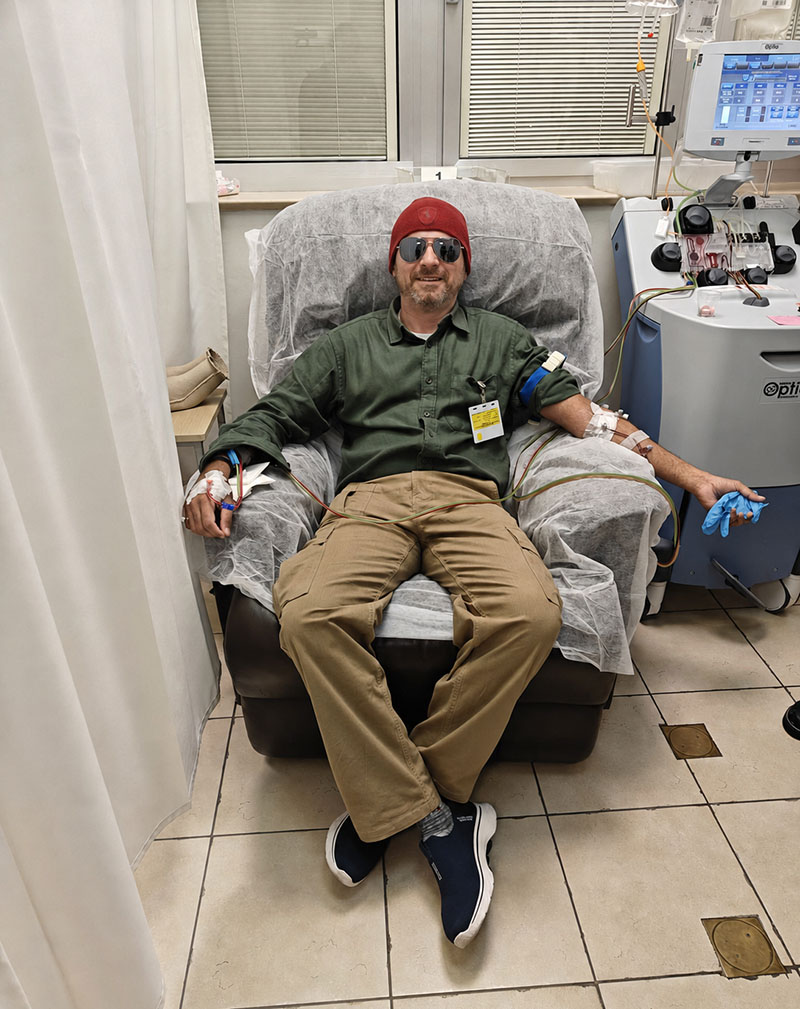
- T-cells are collected from the patient.
- In the laboratory, they are re-engineered to target harmful immune cells.
- The modified T-cells are infused back into the patient to help regulate or “reboot” the immune system.
Early international results in autoimmune diseases — including dermatomyositis, lupus, and myositis — have been encouraging, especially for severe or treatment-resistant cases.
CAR-T Therapy for Dermatomyositis in Israel
Israel is a global leader in advanced immunotherapies. A specialized CAR-T program in Israel now evaluates select autoimmune diseases, and some patients with dermatomyositis may be considered eligible after a detailed medical review.
Each case is assessed individually by experienced CAR-T specialists.
Eligibility typically depends on:
- Disease severity
- Previous treatments (patients usually must have failed at least 2–3 lines of therapy)
- Overall health status
How to Apply for CAR-T Evaluation
To begin the process, we usually need:
- A copy of your passport
- A medical summary in English, including past treatments and recent tests
Once received, we forward the case to the appropriate medical team and update you as soon as the doctors complete their review.
Read CAR-T patient testimonials >>
Benefits of Applying Through Israeli Hospitals >>