




For many years, treatment options for patients with acute lymphoblastic leukemia (ALL) were mainly based on chemotherapy, radiation, and bone marrow transplantation. While these treatments can be highly effective, some patients experience relapse or become resistant to standard therapies.
In recent years, CAR-T therapy has emerged as one of the most advanced leukemia treatments available today, offering new hope to patients with relapsed or refractory acute lymphoblastic leukemia.
What Is Acute Lymphoblastic Leukemia (ALL)?
Acute lymphoblastic leukemia, sometimes called acute lymphocytic leukemia, is a fast-growing cancer of the blood and bone marrow. It affects white blood cells called lymphocytes.
ALL can occur in both children and adults. While many patients respond well to initial treatment, others may relapse after chemotherapy or bone marrow transplant. In these cases, doctors may consider advanced therapies such as CAR-T treatment.
What Is CAR-T Therapy?
CAR-T therapy is a type of immunotherapy that uses the patient’s own immune cells to fight cancer.
During the process, doctors collect T-cells from the patient’s blood and genetically modify them in a laboratory to recognize leukemia cells. The modified cells are then returned to the patient’s body, where they can identify and attack the cancer.
CAR-T therapy has changed the treatment landscape for certain blood cancers, particularly acute lymphoblastic leukemia and some lymphomas.
When Is CAR-T Therapy Used for ALL?
CAR-T therapy is usually considered for patients with:
- Relapsed acute lymphoblastic leukemia
- Refractory ALL that did not respond to chemotherapy
- Leukemia that returned after bone marrow transplantation
- Patients who have exhausted standard treatment options
Eligibility depends on many factors, including age, previous treatments, disease status, and overall medical condition.
Is CAR-T Therapy the Best Treatment for Leukemia?
There is no single “best treatment for leukemia” for every patient. Leukemia includes several different diseases, and treatment decisions depend on the exact type of leukemia, the patient’s age, genetic findings, and previous treatments.
However, for some patients with relapsed or refractory acute lymphoblastic leukemia, CAR-T therapy has produced remarkable results and long-term remissions, even in patients who had very limited options remaining.
This is why many specialists consider CAR-T one of the most important breakthroughs in modern leukemia treatment.
What Is the Best Leukemia Hospital in the World?
There is no official single “best leukemia hospital in the world.” Different hospitals specialize in different treatments and patient populations.
When evaluating a leukemia center, patients often look at:
- Experience with CAR-T procedures
- Access to advanced therapies
- Multidisciplinary leukemia teams
- Intensive care capabilities
- Research activity and clinical trials
- Experience with international patients
One of the leading international centers for CAR-T therapy is Sheba Medical Center in Israel.
According to Newsweek’s global hospital rankings, Sheba Medical Center has been ranked among the top hospitals in the world. The center is also considered the largest CAR-T center in Europe in terms of the number of CAR-T procedures performed.
CAR-T Therapy in Israel
Israel has become an important destination for advanced cancer treatment and CAR-T therapy.
International patients choose Israel for several reasons:
- Advanced Western-level medicine
- Experienced hematology and CAR-T teams
- Shorter waiting times compared to some countries
- Transparent medical systems
- More affordable treatment options compared to certain private centers abroad
At Sheba Medical Center, CAR-T therapy is offered for several blood cancers, including acute lymphoblastic leukemia.
The hospital’s hematology teams include specialists with extensive experience in managing complex leukemia cases and advanced immunotherapies.
A New Era in Leukemia Treatment
For patients facing relapsed or refractory acute lymphoblastic leukemia, CAR-T therapy has created possibilities that did not exist only a few years ago.
While it is not suitable for every patient, and no treatment can guarantee success, CAR-T therapy represents one of the most advanced developments in leukemia care today.
As research continues, experts hope that CAR-T technologies will become available for more leukemia patients worldwide and may continue improving outcomes in the years ahead.
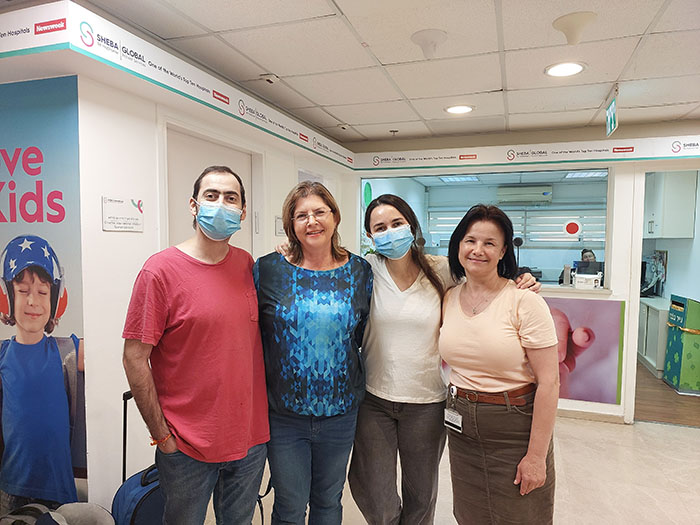
One more patient flies home cancer free after CAR-T therapy. (May 2025)
Read more CAR-T patient testimonials >>
Publication date: May 2026.