




At the European CAR-T Meeting (#CART26) in Palma de Mallorca, experts discussed how new immunotherapies are transforming the treatment of multiple myeloma, while highlighting the major barriers that still limit patient access worldwide.
CAR-T and Bispecific Antibodies Are Changing Myeloma Care
BCMA-targeted therapies have significantly improved outcomes for patients with relapsed or refractory multiple myeloma.
Two major immunotherapy approaches are now widely used:
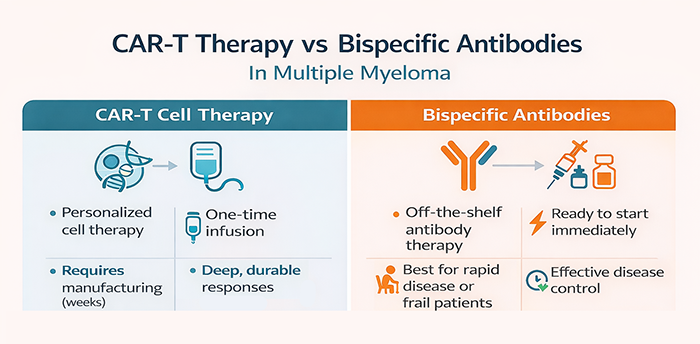
CAR-T cell therapy
- Custom-made from the patient’s own T cells
- Requires several weeks for manufacturing
- Given as a single infusion
CAR-T therapy can produce very deep and durable responses and may allow long treatment-free intervals in some patients.
Bispecific antibodies
- “Off-the-shelf” therapies available immediately
- Given continuously by injection or infusion
These drugs allow treatment to begin quickly and may be particularly useful for patients with rapidly progressing disease or those unable to wait for CAR-T manufacturing.
Experts emphasized that different patients require different treatment strategies, and both approaches are becoming complementary tools in myeloma therapy.
Access to CAR-T Therapy Remains a Major Challenge
One of the key messages of the lecture was that access to CAR-T therapy is a chain, and the chain can break at multiple points along the patient pathway.
Barriers include:
- Limited number of specialized cell-therapy centers
- High treatment costs and reimbursement differences between countries
- Delays in referral that may make patients ineligible
- Infrastructure and workforce limitations
- Inequalities in information and access to clinical trials
These barriers are especially significant in low- and middle-income countries.
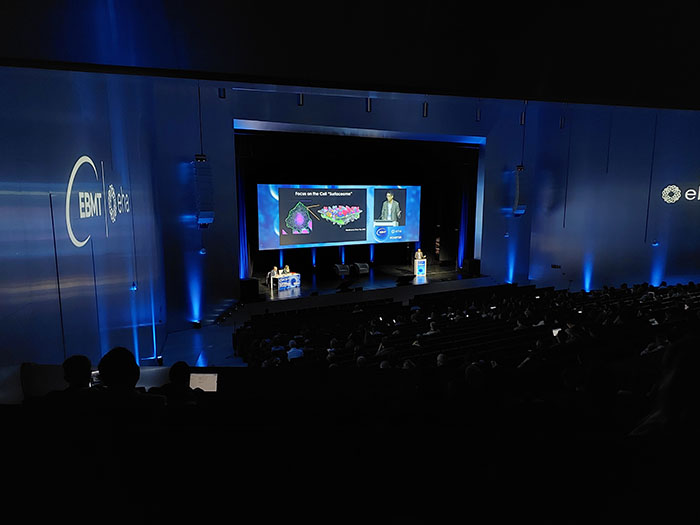
Photo: Slide from a lecture at the #CART26 conference in Palma de Mallorca
The Global Burden of Myeloma Is Rising
Multiple myeloma cases are expected to increase substantially in the coming decades.
In 2022, there were approximately:
- 188,000 new cases worldwide
- 121,000 deaths
By 2045, projections suggest about 321,000 new cases annually, with the largest increases expected in lower-resource settings where access to advanced therapies remains limited.
The Future of Myeloma Treatment
Experts concluded that the future of myeloma care will likely involve personalized treatment sequencing, using both CAR-T therapy and bispecific antibodies to maximize long-term disease control.
However, expanding global access to these therapies will be essential to ensure that more patients can benefit from these advances.
Publication date: march 2026