





CAR-T therapy is not a single procedure but a multi-step process that takes time.
From the initial evaluation to recovery, the full journey typically lasts about 7 to 12 weeks, depending on the patient’s condition and the specific disease being treated.
Patients should plan to stay for this entire period and must arrive with a caregiver, who accompanies them throughout the process, especially during hospitalization and the early recovery phase.
Step 1: Initial Testing and Evaluation (7–10 days)
The process begins with a medical evaluation to determine whether CAR-T therapy is suitable.
This stage includes blood tests and may also involve imaging (such as PET/CT scans) and consultations with specialists. The goal is to ensure the patient is eligible and fit enough to proceed.
Only after this stage is completed can the patient be formally confirmed as eligible for CAR-T therapy.
During this period, patients typically stay in a hotel or Airbnb near the hospital.
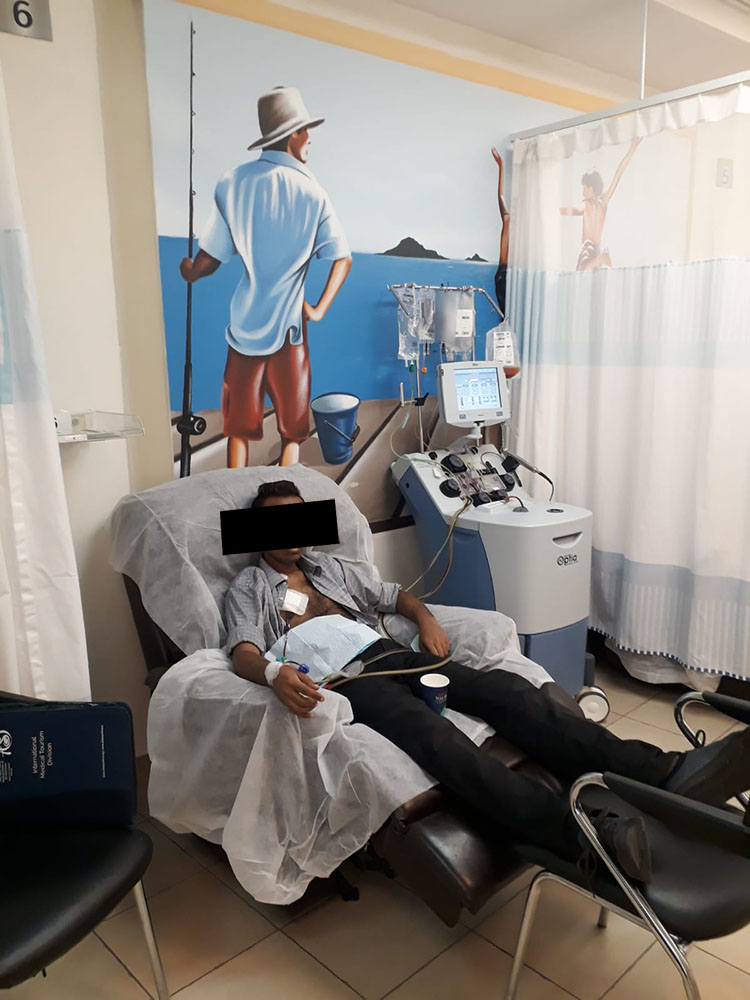
Step 2: Cell Collection (Leukapheresis) (1 day)
Once approved, the next step is collecting the patient’s immune cells through a procedure called leukapheresis.
- It usually takes a few hours
- Blood is drawn, specific immune cells are separated, and the rest is returned to the body
- It is generally well tolerated and does not require hospitalization
Step 3: Cell Manufacturing in the Laboratory (10–12 days)
After collection, the cells are sent to a specialized laboratory where they are genetically modified and expanded into CAR-T cells.
This stage typically takes 10 to 12 days. During this time, the cells are multiplied—usually reaching hundreds of millions to even billions of CAR-T cells, depending on the protocol—before being returned for infusion.
During this waiting period, patients are sometimes invited to undergo placement of a venous access line, such as a PICC line, port, or another type of central line, which will be used later for chemotherapy and treatment.
Patients usually stay nearby in a hotel or Airbnb during this waiting period.
Step 4: Treatment and Hospitalization
Lymphodepletion Chemotherapy (3 days)
Before receiving the CAR-T cells, patients are admitted for a short course of lymphodepletion chemotherapy, usually lasting 3 days. This prepares the immune system for the CAR-T cells and is generally well tolerated compared to standard chemotherapy.
CAR-T Infusion and Monitoring (About 2 weeks)
After chemotherapy, the CAR-T cells are infused back into the patient.
Following the infusion, patients remain hospitalized for about two weeks for close monitoring.
During this time, the medical team monitors for side effects such as cytokine release syndrome (CRS) and neurological symptoms (ICANS). These side effects most commonly appear and peak around days 3–5 after the infusion, which is why this monitoring period is essential.
The caregiver is required to stay with the patient most of the time and can usually sleep in the patient’s room, which may help reduce accommodation costs.
Step 5: Follow-Up (7–10 days)
After discharge, patients are required to stay nearby for continued monitoring.
This follow-up period typically lasts 7 to 10 days, depending on the disease and the patient’s condition. Patients must remain close to the hospital and be able to reach it within about 30 minutes, in case side effects develop after discharge.
During this time, patients typically stay in a hotel or Airbnb near the hospital.
Total Timeline: 7–12 Weeks
Putting it all together:
- Evaluation: 7–10 days
- Leukapheresis: 1 day (a few hours)
- Manufacturing: 10–12 days
- Lymphodepletion chemotherapy: 3 days
- Post-infusion hospitalization: ~2 weeks
- Follow-up: 7–10 days
The total process usually takes between 7 and 12 weeks, although this can vary depending on individual circumstances.
Testimonials
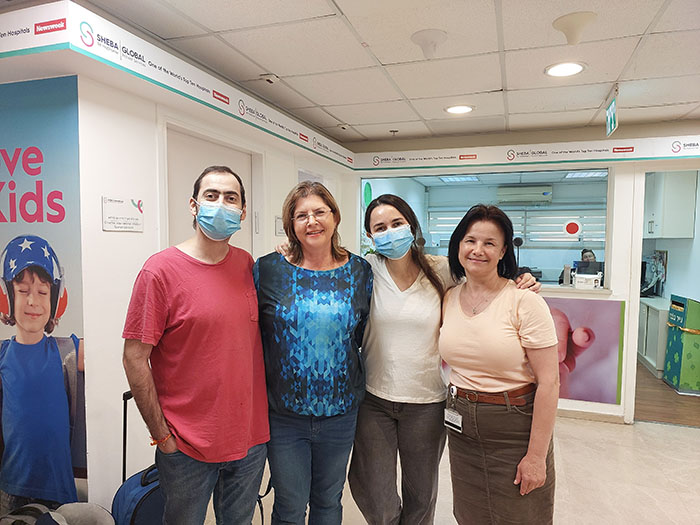
One more patient flies home cancer free after CAR-T therapy. (May 2025)
One more patient completed CAR-T cell therapy for blood cancer ( June 2024).
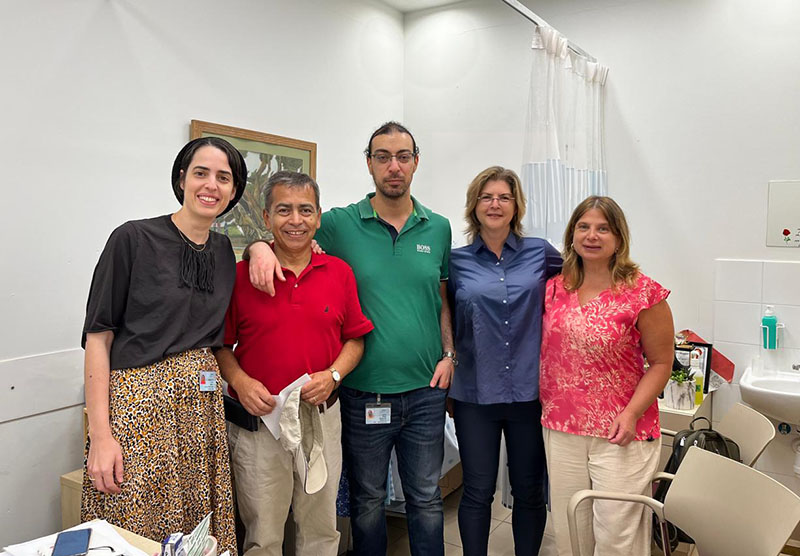
With Dr. Marcus at Sheba hospital, celebrating cancer-free PET CT. (2024)
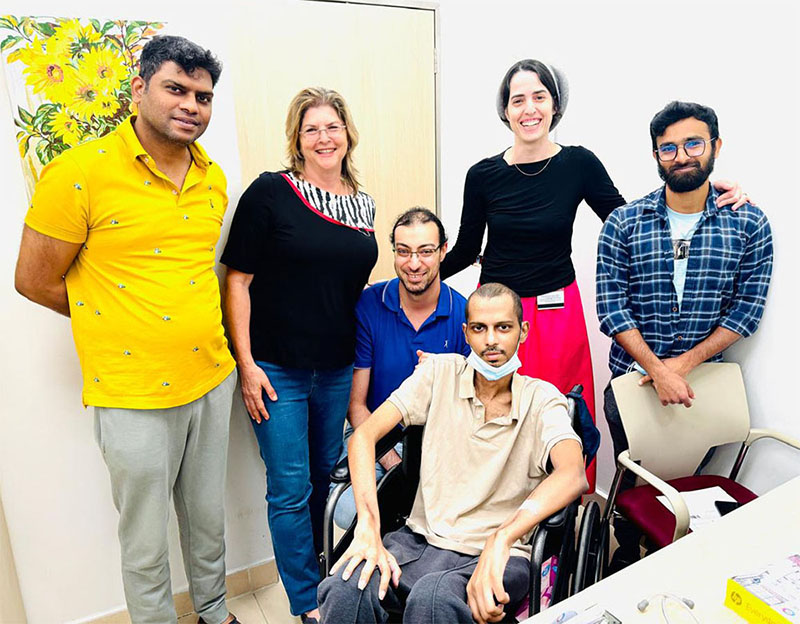
CAR-T cell therapy in Sheba hospital in Israel, patient review 2022
Testimonial by a CAR-T patient at Hadassah hospital
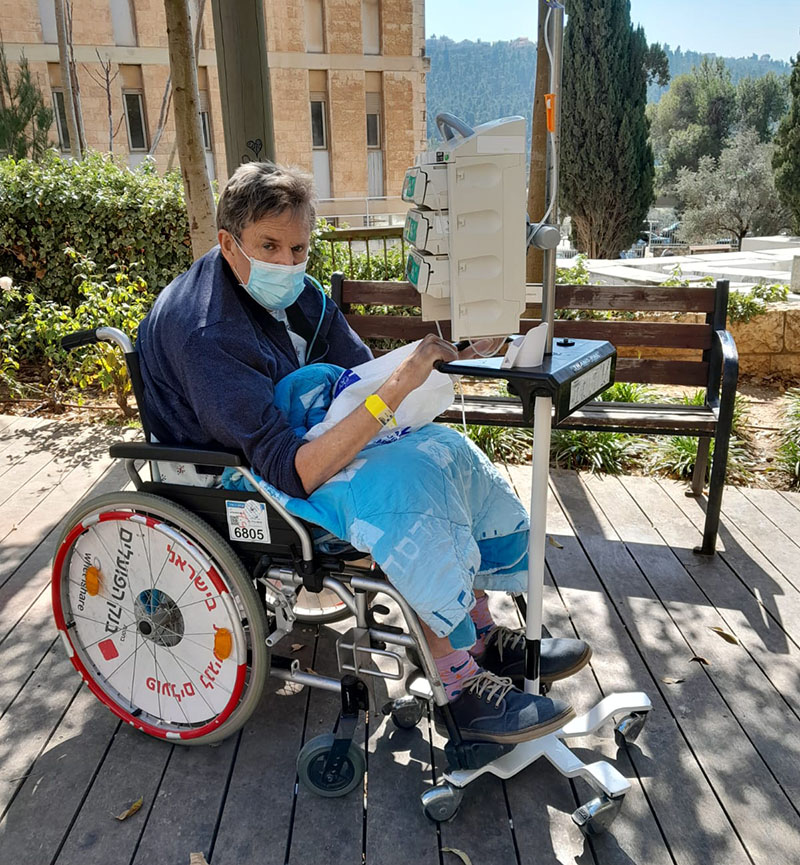
My Husband and I engaged with Tanya Preminger from IHA to travel from New Zealand to Israel for undertaking Car T treatment. During the preparation stage Tanya was very professional in her approach and extremely responsive to our many emails. During our 8 week stay in Israel Tanya was incredibly supportive on both a practical and social level. Tanya was an effective communicator with ourselves and the Hadassah hospital staff, always accountable and flexible with our needs. We would highly recommend Tanya as a representative for other clients who may be considering various treatments in Israel.
Yvonne and Mike Hogan, New Zealand, 8/5/2023
Patient testimonial - April 2024
I would like to describe my experience with Tanya Preminger of Israeli Hospitals during my mother's treatment at Sheba Medical Centre, Israel. We are an Indian family who arrived in Tel Aviv from India at the start of Apr'24 for 2 weeks for my mother's treatment at Sheba Hospital. Naturally, we were very apprehensive of how things would go in Israel, considering that it was our first time seeking medical advice in a foreign country, not to mention the ongoing geopolitical tensions in the region.
However, our entire ordeal went very smoothly thanks to Tanya's proactive nature. I cannot overstate how convenient she made our visit by going beyond her normal duties. She was always with us when we went to the hospital. She gave us an overview of the Sheba hospital, helped us in interacting with the International Medical Tourism staff there & even accompanied us during our consultations with the doctor. Throughout our Israel visit, she was always available for any help or queries that we had about living in Tel Aviv.
I would strongly recommend her services to anyone who is traveling to Israel for medical treatment.
CAR-T therapy patient testimonial - December 2023
We had a great and seamless experience working with Tanya. For us the idea of going through a treatment in foreign land was daunting but Tanya made everything feel like home and comfortable. She went above and beyond to help us at each step. She helped with finding a right place to stay, with interactions with medical staff and also with any adhoc request that was not part of the original services. She is a great and kind person to work with and we are grateful for all her help.
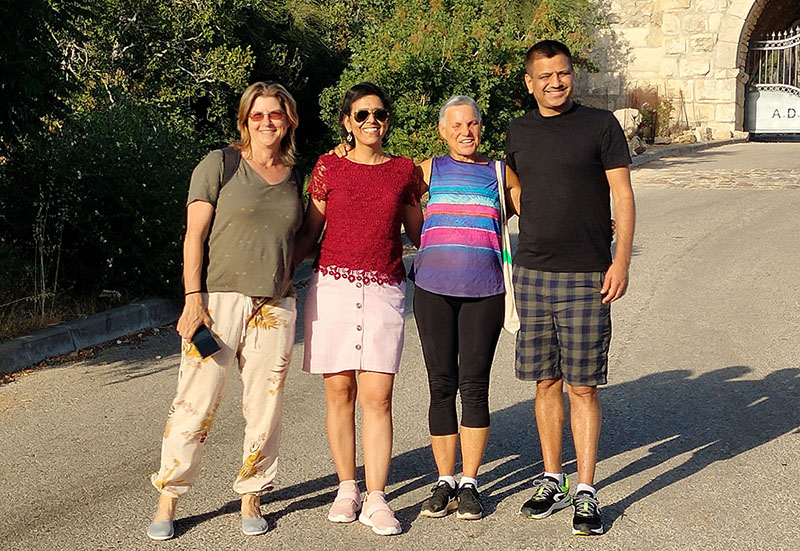
CAR T patients in Israel with CAR-T case manager Tanya Preminger.
Publication date: Jan 2026