




The newest treatments for rheumatoid arthritis include biologic medicines, JAK inhibitors and, for selected patients with severe treatment-resistant disease, CAR-T cell therapy.
CAR-T therapy for rheumatoid arthritis is already offered at Sheba Medical Center in Israel through a specialized clinical research program. It may be an option for patients whose rheumatoid arthritis remains active despite several conventional, biologic or targeted treatments.
What are the latest standard treatments for rheumatoid arthritis?
Rheumatoid arthritis treatment aims to control inflammation and prevent permanent joint damage. Methotrexate and other conventional disease-modifying antirheumatic drugs, known as DMARDs, are generally used first. If they are not effective, treatment may include biologic medicines or targeted therapies such as JAK inhibitors.
When the disease remains active despite several lines of treatment, it is described as difficult-to-treat or refractory rheumatoid arthritis. For these patients, CAR-T may provide a new treatment option.
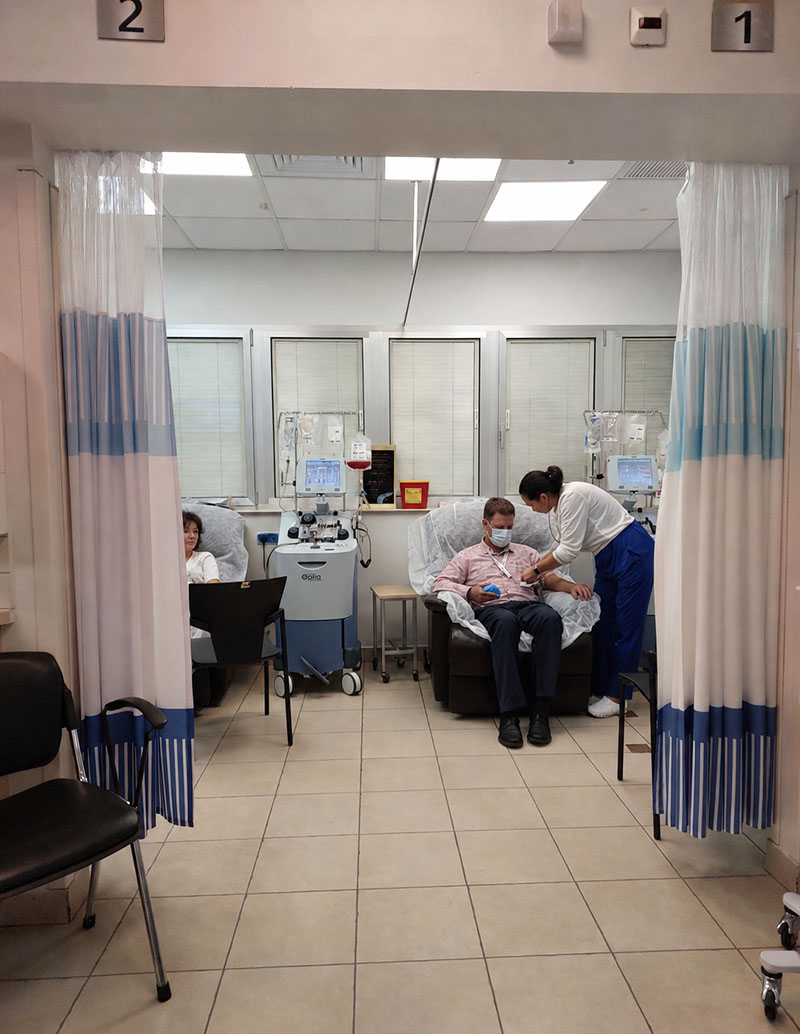
How does CAR-T therapy treat rheumatoid arthritis?
B cells contribute to rheumatoid arthritis by producing autoantibodies and supporting ongoing inflammation. CD19-directed CAR-T therapy uses the patient’s own genetically modified T cells to locate and eliminate B cells throughout the body.
This deeper B-cell depletion is designed to create an immune reset, allowing a healthier B-cell population to return. Unlike medications that must be taken continuously, CAR-T is administered as a single infusion and may offer the possibility of a longer remission.
CAR-T therapy for rheumatoid arthritis at Sheba Medical Center
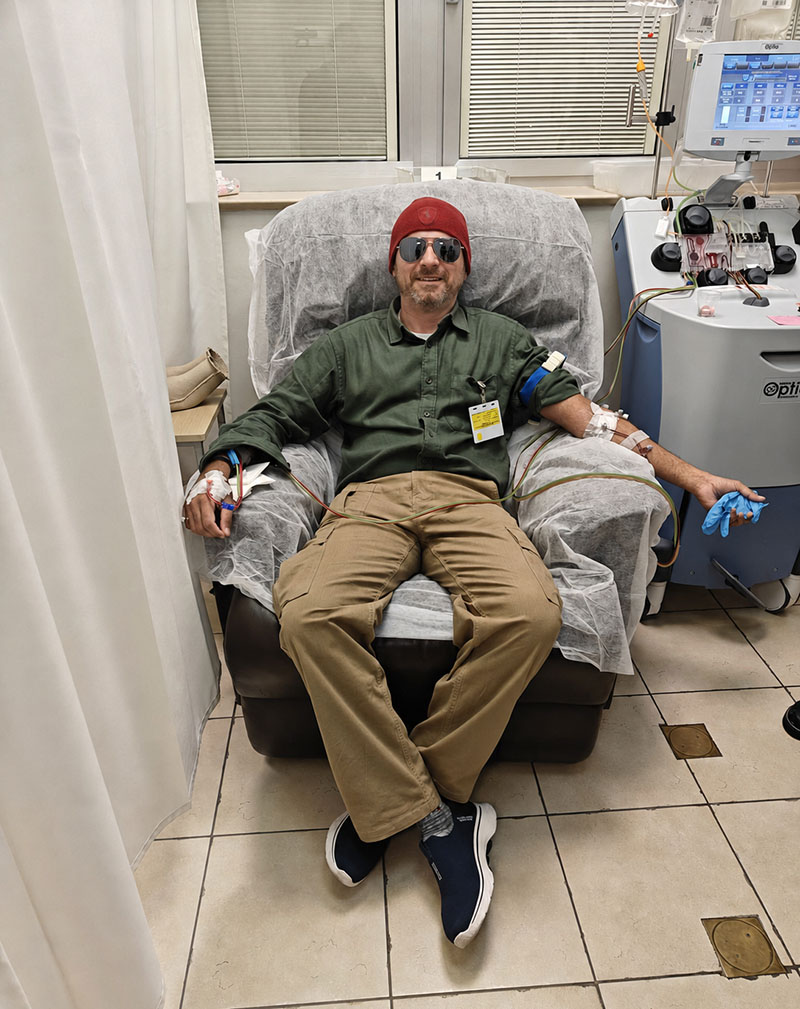
Sheba Medical Center treated the world’s first reported rheumatoid arthritis patient with CAR-T therapy. The patient had lived with active RA for approximately 20 years despite multiple treatments and achieved remission following the CAR-T infusion.
This experience has established CAR-T as a promising option for selected patients with severe, refractory rheumatoid arthritis.
Request an eligibility review
To request an initial assessment, the patient should provide an up-to-date medical summary, details of previous treatments and the response to each one, current laboratory results and any recent imaging or other relevant reports.
Whether CAR-T therapy is suitable for an individual patient will be determined by a senior rheumatologist following a detailed medical evaluation.
Publication date: August 2026
Sources
CAR T Cell Therapy for Rheumatoid Arthritis, PubMed
Clinical study of CD19-targeted CAR-T in severe refractory autoimmune diseases
CD-19 CAR-T cells for polyrefractory rheumatoid arthritis
Links
More about CAR-T for Rheumatoid Arthritis (RA) >>
Read patient testimonials >>
What you gain by applying through us >>