





CAR-T cell therapy is one of the newest and most closely watched treatment approaches for severe lupus. It represents a very different strategy from conventional lupus medications: instead of continuously suppressing the immune system, CAR-T is designed to remove the B cells involved in the autoimmune response and allow the immune system to rebuild.
However, CAR-T is not a new standard treatment for every person with lupus. It is currently considered for carefully selected patients with active, severe systemic lupus erythematosus (SLE) that has not responded adequately to established treatments. For lupus, it is still provided through specialized clinical research programs and expert medical evaluation.
Established lupus care may include hydroxychloroquine, corticosteroids, immunosuppressive medications and newer biologic therapies, selected according to disease activity and organ involvement. These treatments help many patients, but they usually require continued use and do not work adequately for everyone. For patients whose disease remains active despite several approaches, CAR-T has opened a new direction.
Why is CAR-T different from other lupus treatments?
In lupus, abnormal B cells contribute to the production of autoantibodies that attack the body’s own tissues. With CAR-T, the patient’s own T cells are collected and genetically modified to recognize CD19, a marker found on B cells. The modified cells are returned to the patient, where they target and eliminate B cells, including disease-driving cells that may remain in tissues.
Researchers describe the goal as an immune reset. New B cells can gradually return after treatment, with the hope that the rebuilt immune system will no longer produce the same damaging response.
Unlike most long-term lupus medications, CAR-T is generally administered as a single infusion after a short course of preparatory chemotherapy.
What have studies shown so far?
The early results have been encouraging. In a 2024 case series published in The New England Journal of Medicine, all eight patients with SLE achieved remission after CD19-directed CAR-T therapy and stopped immunosuppressive treatment. However, the study was small, and larger controlled trials are still needed to establish long-term effectiveness and safety.
CAR-T should therefore be described as a promising emerging treatment, not as a guaranteed cure. Whether it is suitable for an individual patient must be determined by a senior rheumatologist following a detailed medical evaluation.
Who may be eligible for CAR-T treatment for lupus?
Eligibility is determined individually. In general, the program is intended for patients with confirmed SLE whose disease is active, serious and resistant to standard therapy.
A patient will usually have failed two or three lines of treatment before CAR-T is considered. Doctors also assess:
- The current level of disease activity
- Which organs are involved
- Whether organ damage is active and potentially reversible or already permanent
- Previous treatment, current infections and the patient’s overall fitness for CAR-T
CAR-T may be particularly relevant when lupus remains organ-threatening despite immunosuppressive or biologic treatment. It is not generally intended for patients whose disease is well controlled with standard medication.
What does CAR-T treatment for lupus involve?
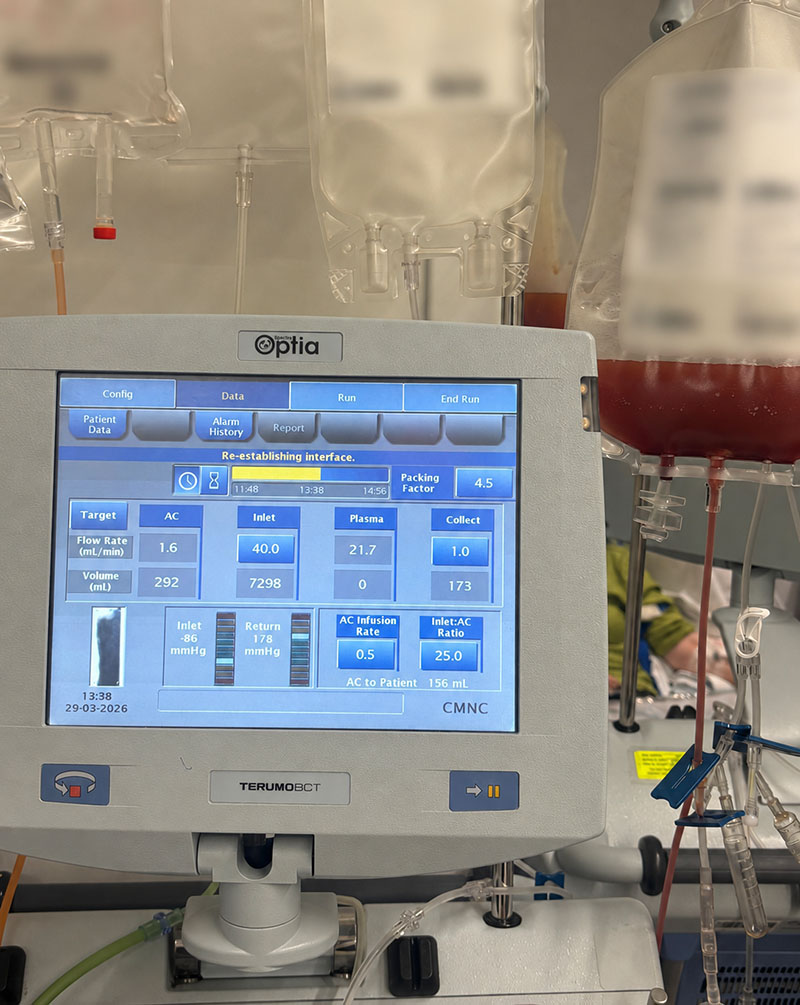
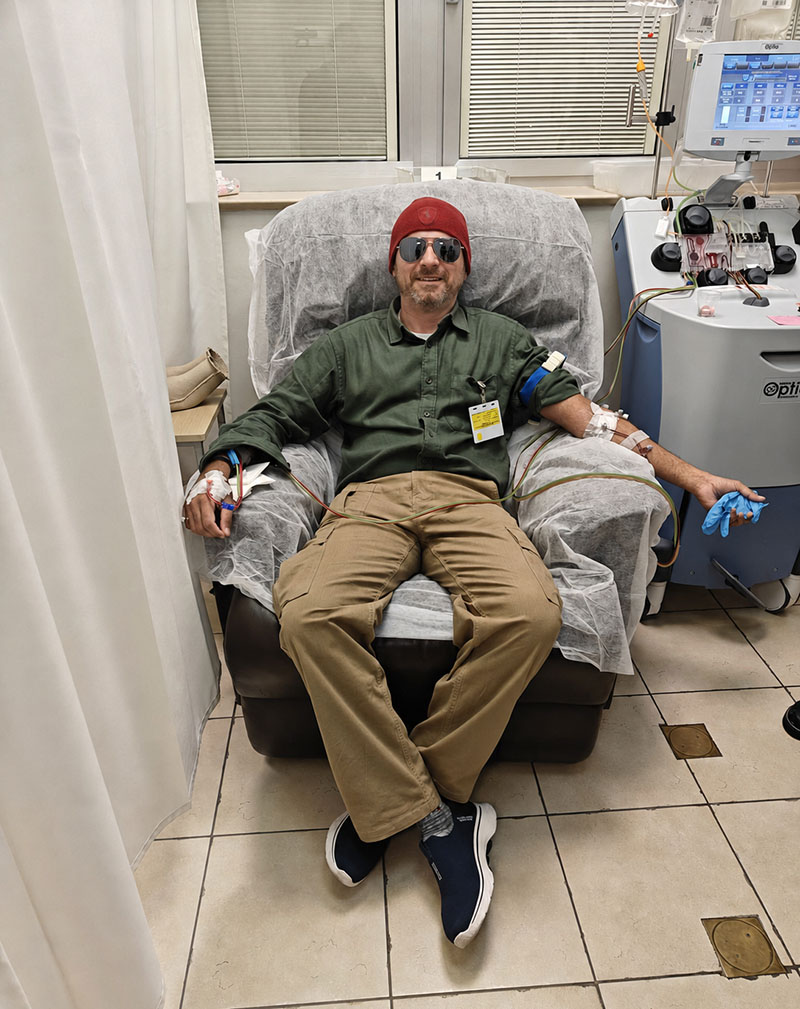
The process begins with a specialist medical review. If the patient is accepted, T cells are collected from the blood in a procedure called apheresis and modified in a specialized laboratory. The patient then receives a short course of preparatory chemotherapy, followed by the CAR-T infusion, hospital observation and continued monitoring after discharge.
What are the possible risks?
CAR-T is an intensive treatment that requires monitoring at an experienced hospital. Possible complications include infection, reduced blood counts, cytokine release syndrome and neurological effects. The treating team must weigh these risks against the risks posed by uncontrolled lupus.
CAR-T treatment for lupus at Sheba Medical Center in Israel
Sheba Medical Center offers CD19-directed CAR-T therapy to selected patients with severe, treatment-resistant lupus through a specialized clinical research program. The program combines expertise in rheumatology and autoimmune diseases with established CAR-T infrastructure and in-house cell manufacturing.
Manufacturing the cells within the hospital can shorten production time and allows the clinical and laboratory teams to coordinate treatment at one center. International patients should usually plan to remain in Israel for approximately 30 to 45 days. The exact duration depends on the patient’s condition, treatment schedule, recovery and the medical team’s assessment.
Request an eligibility review
To request an initial eligibility review for lupus CAR-T treatment submit an up-to-date medical summary, current laboratory results. Whether CAR-T therapy is suitable for an individual patient will be determined by a senior rheumatologist following a detailed medical evaluation.
Publication date: August 2026
Sources
CD19 CAR T-Cell Therapy in Autoimmune Disease, The New England Journal of Medicine
Definition of a CAR T cell, National Cancer Institute
Read more
CAR-T therapy for Lupus >>
Read patient testimonials >>
What you gain by applying through us >>